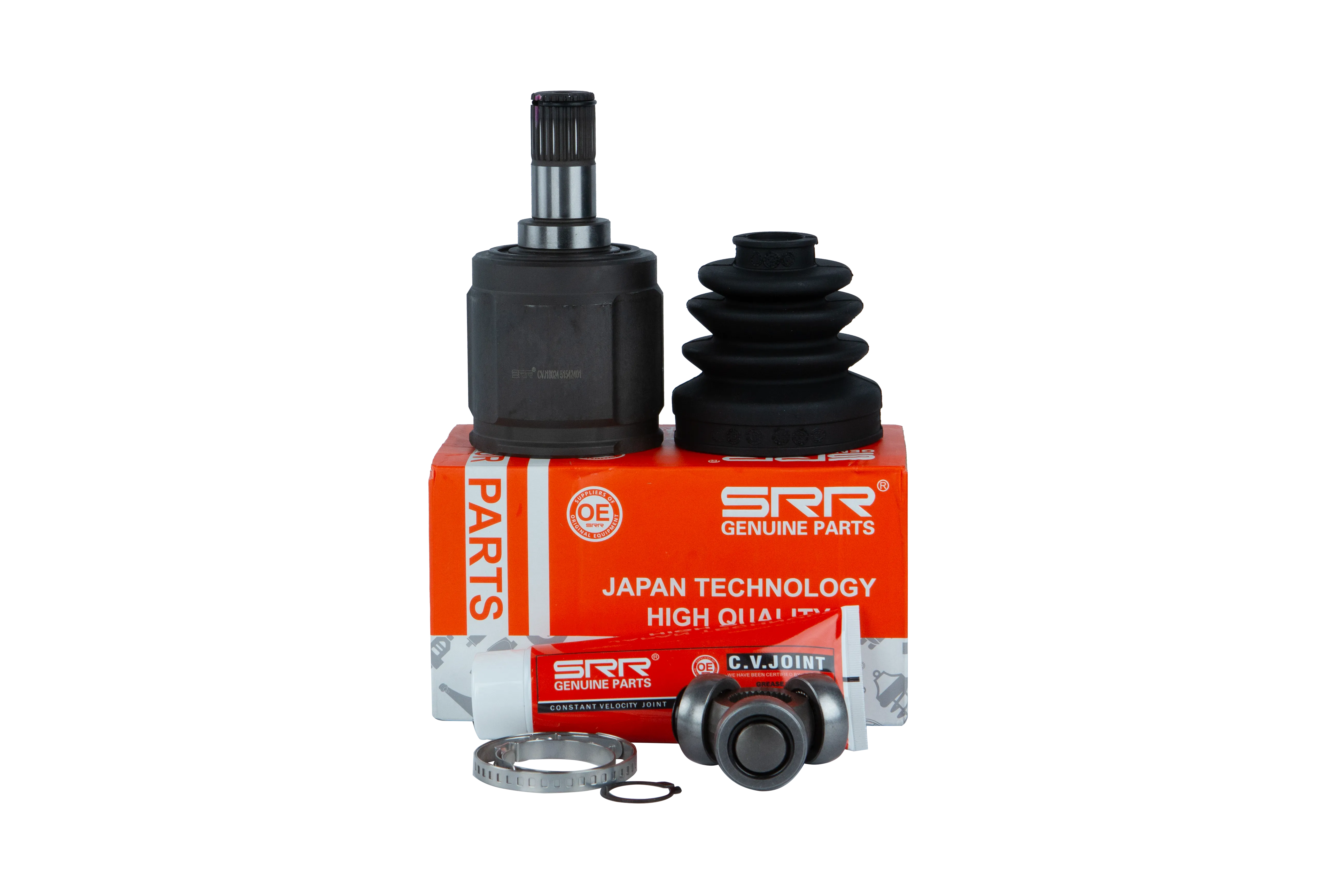
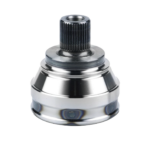
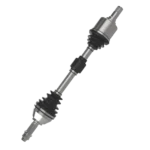
The automobile ball cage is divided into an inner ball cage and an outer ball cage, also called a constant velocity universal joint. It is an important component in the automobile transmission system. Its function is to transmit the engine power from the transmission to the two front wheels, driving the car to travel at high speed. The inner ball cage is connected to the differential part of the gearbox, and the outer ball cage is connected to the wheels. The function of the outer ball cage is both power output and vehicle turning.
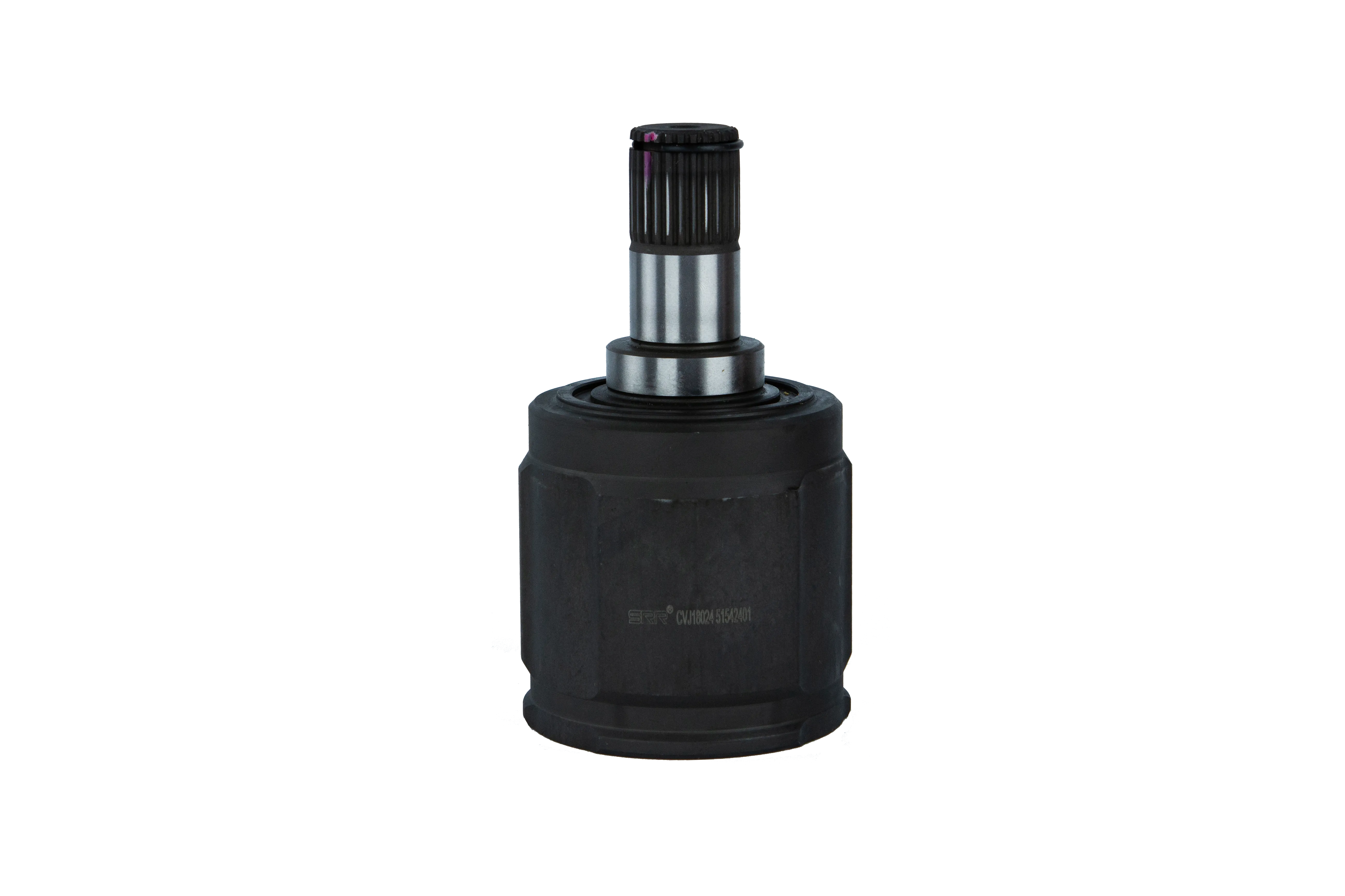
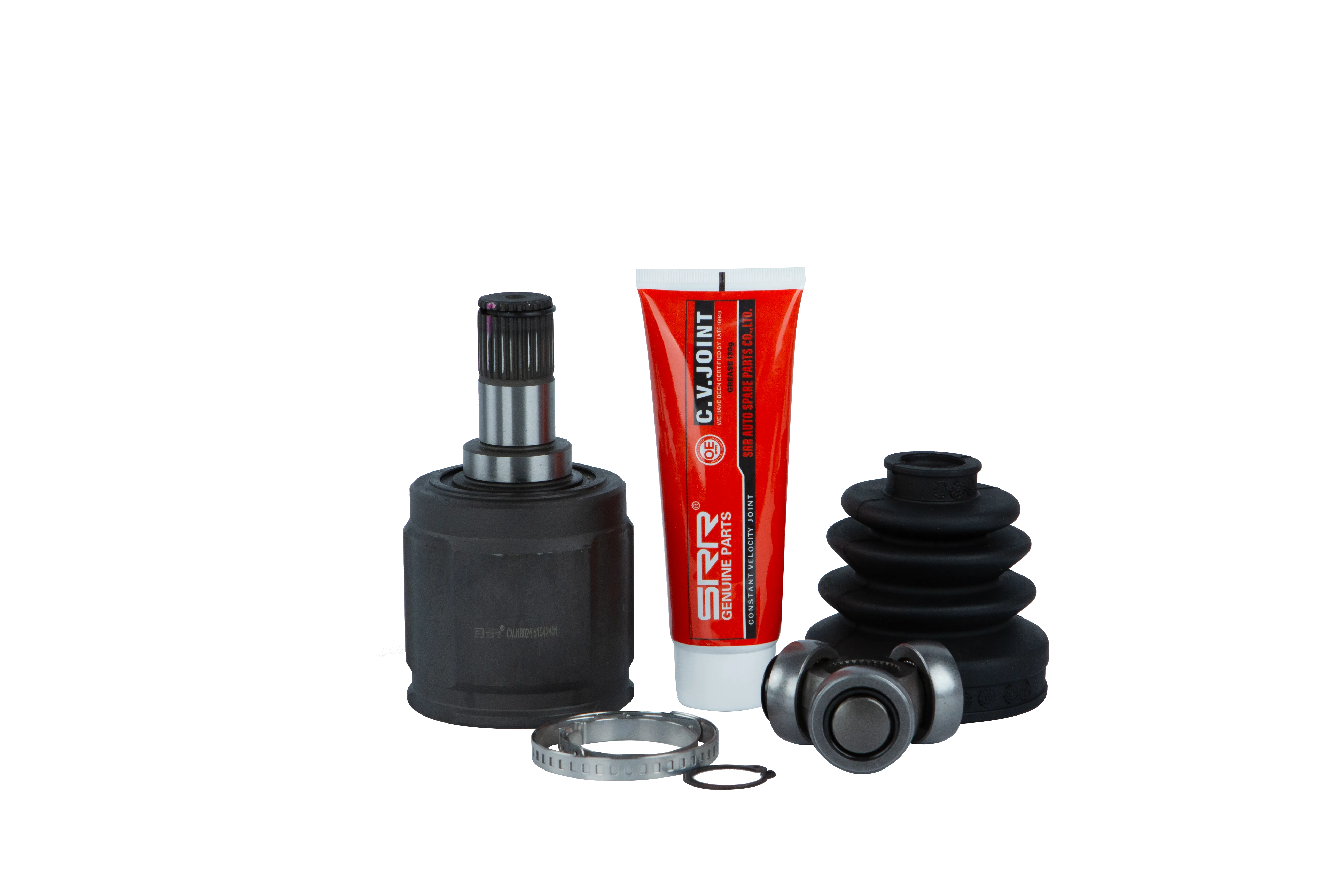
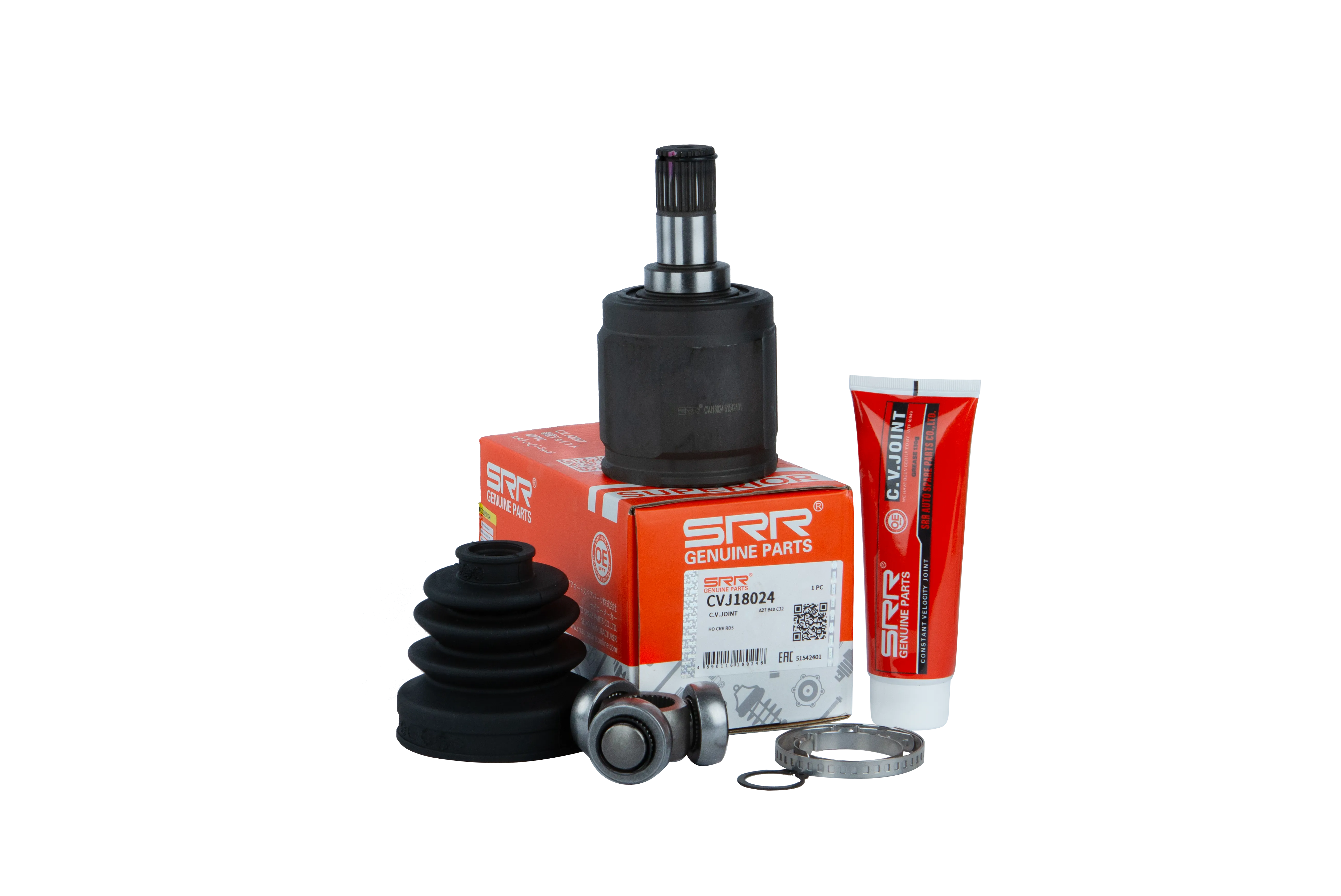
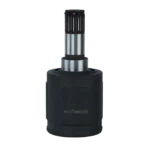
Inner ball cage (three-pronged type): There are no steel balls inside the three-ball pin type constant velocity universal joint. Instead, it uses three bearings with needle rollers that can slide in three tracks in the bell-shaped shell. It is mainly used for the inner ball cage of four-wheel drive vehicles. It is suitable for the position of the inner ball cage with a small torsion angle. It can slide inward and outward to adapt to the length change of the drive shaft when the vehicle moves.
Inner ball cage (six-ball type): This type of sliding constant velocity universal joint product has a different design concept. The steel balls in the inclined track transmit torque. The performance of the product is excellent, surpassing the TJ-type inner ball cage, but the sliding distance is shorter, which can solve the noise problem. It is widely used on four-wheel drive vehicles.
1. When turning or driving on bumpy roads, the vehicle will make regular abnormal noises.
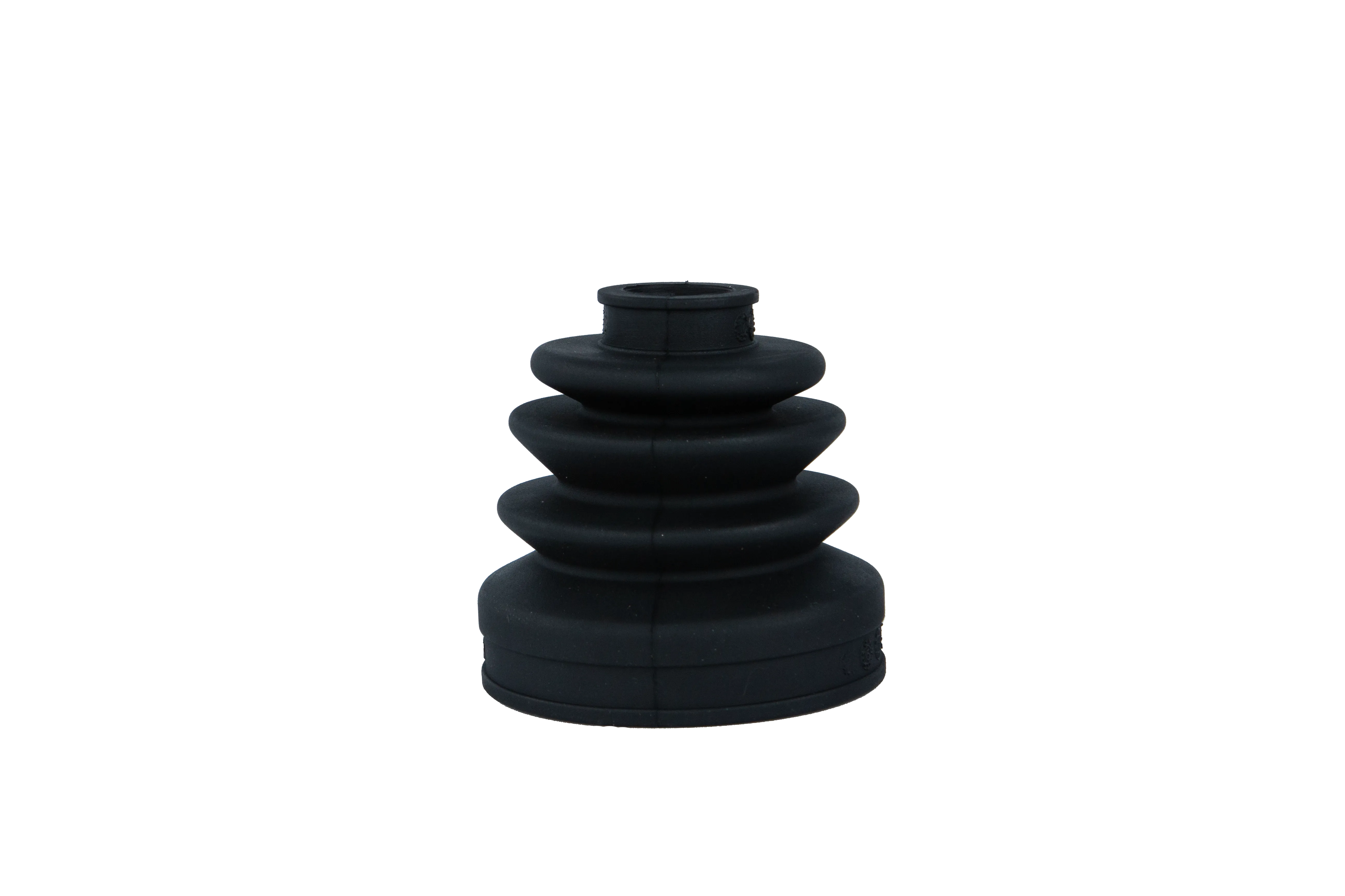
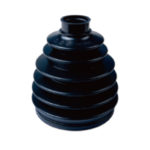
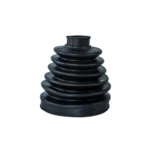
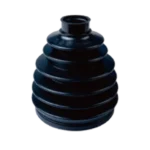
2. Observe the dust cover of the ball cage with naked eyes. If the dust cover is damaged or leaks oil. Since the lubricating grease in the dust cover is specifically designed to reduce ball head wear, oil leakage will cause the lubrication to decrease, and the ball head wear will increase, resulting in a larger gap and abnormal noise.
In addition to the above symptoms, we can raise the vehicle for inspection and dismantle it if necessary. After the vehicle is raised, hold the axle shaft tightly with your hands, and then turn it back and forth quickly. If you can feel an obvious gap, it means the ball cage is seriously worn. Or remove the half shaft and check whether there is excess clearance in the ball cage. In addition, if there are sand and stones in the ball cage, they should be replaced in time, otherwise it will have a serious impact on the entire transmission system.
Previous: CVJ-18072
Next: CVJ-18022




Reviews
There are no reviews yet.