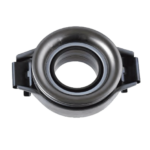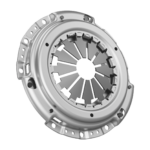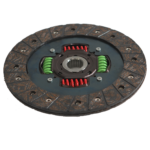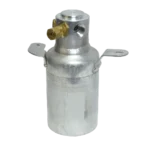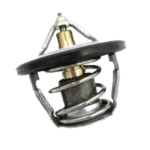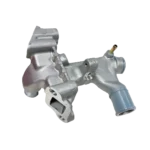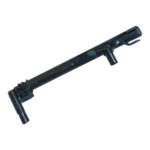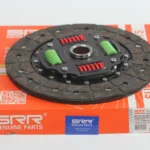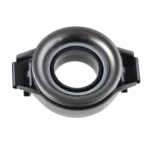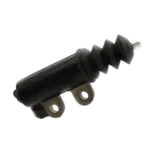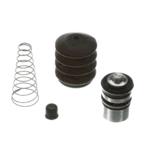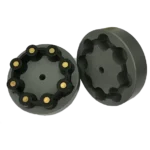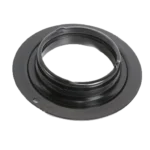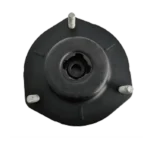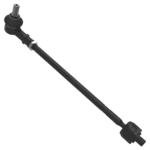
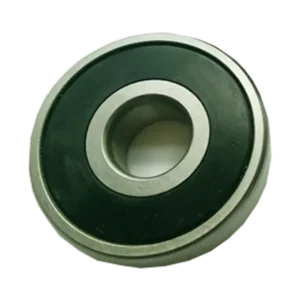
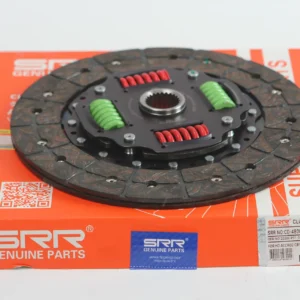
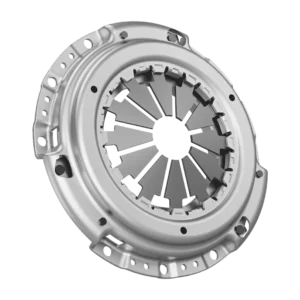
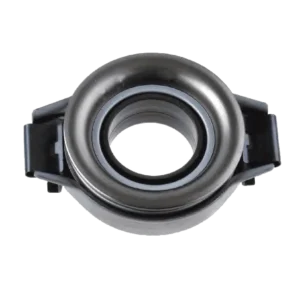
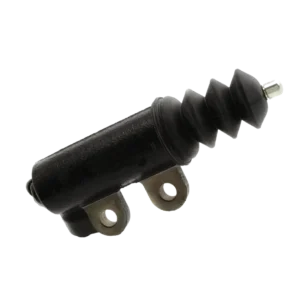
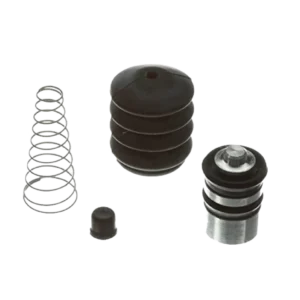
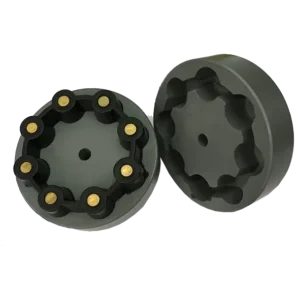
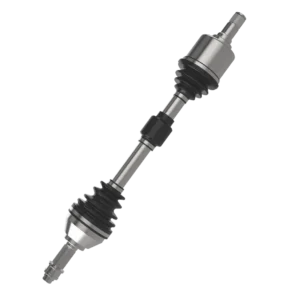
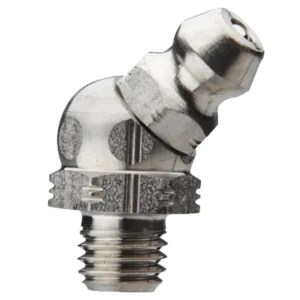
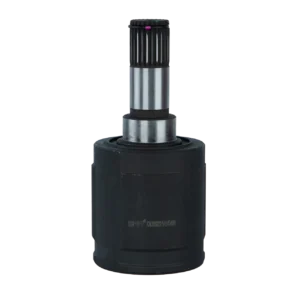
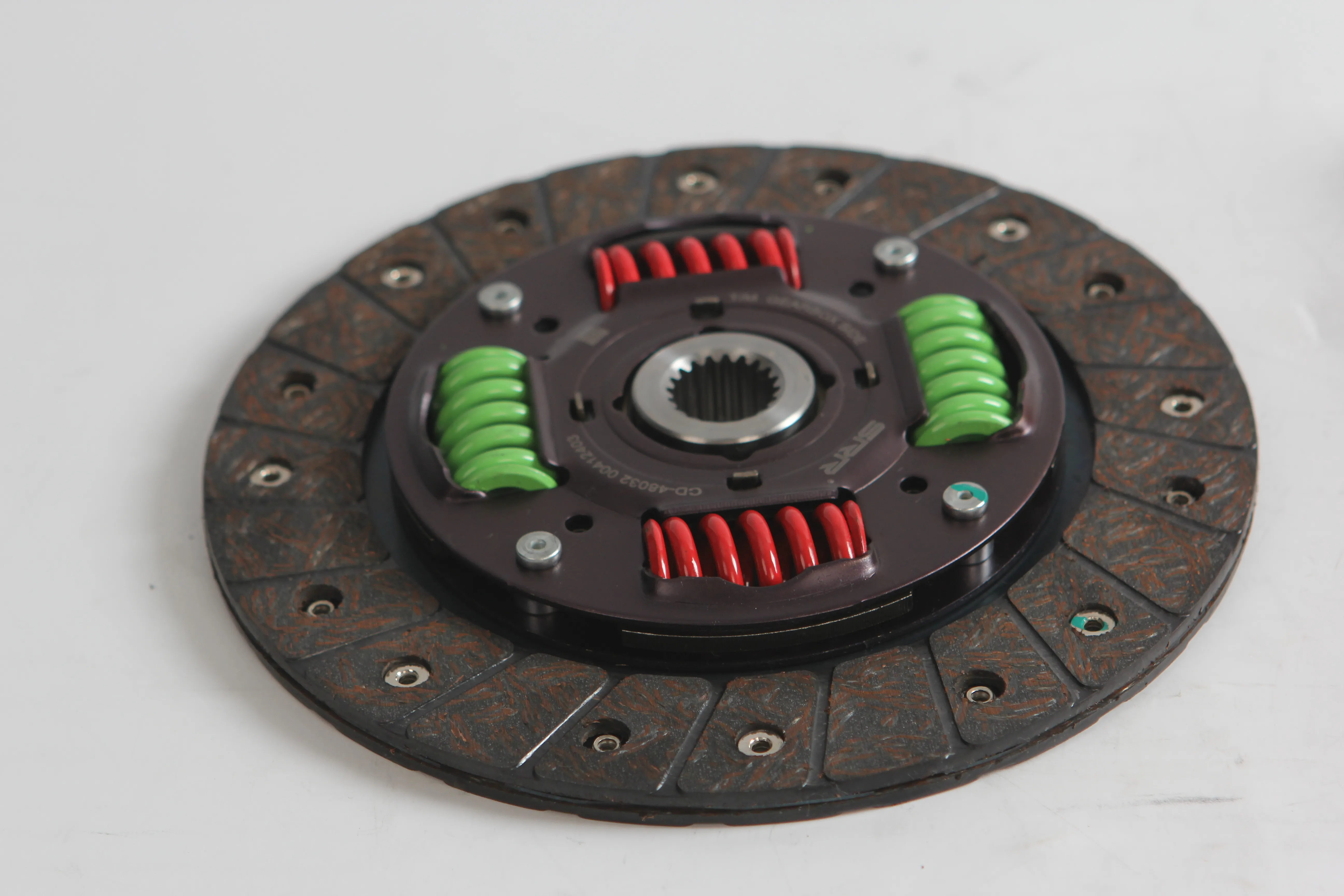
Clutch Disc / Clutch Plate – CD-48032
The clutch is a mechanism that transmits power by axially compressing and releasing two clutch friction plates with flat surfaces. The greater the axial pressure of its two clutch plates, the greater the friction generated, and the smoother and more normal the operation of the extruder will be.
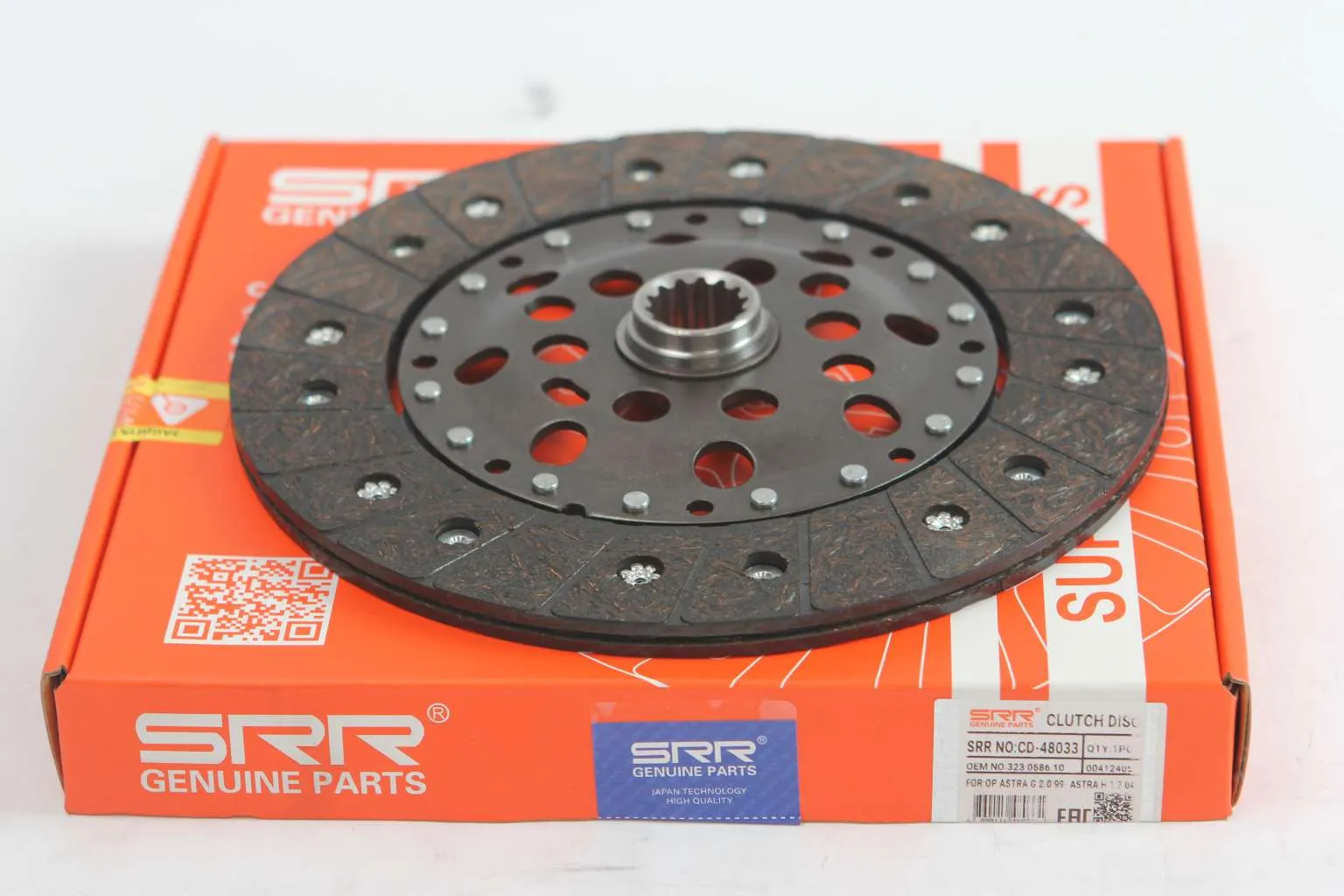
Clutch Disc / Clutch Plate – CD-48033
The clutch is a mechanism that transmits power by axially compressing and releasing two clutch friction plates with flat surfaces. The greater the axial pressure of its two clutch plates, the greater the friction generated, and the smoother and more normal the operation of the extruder will be.
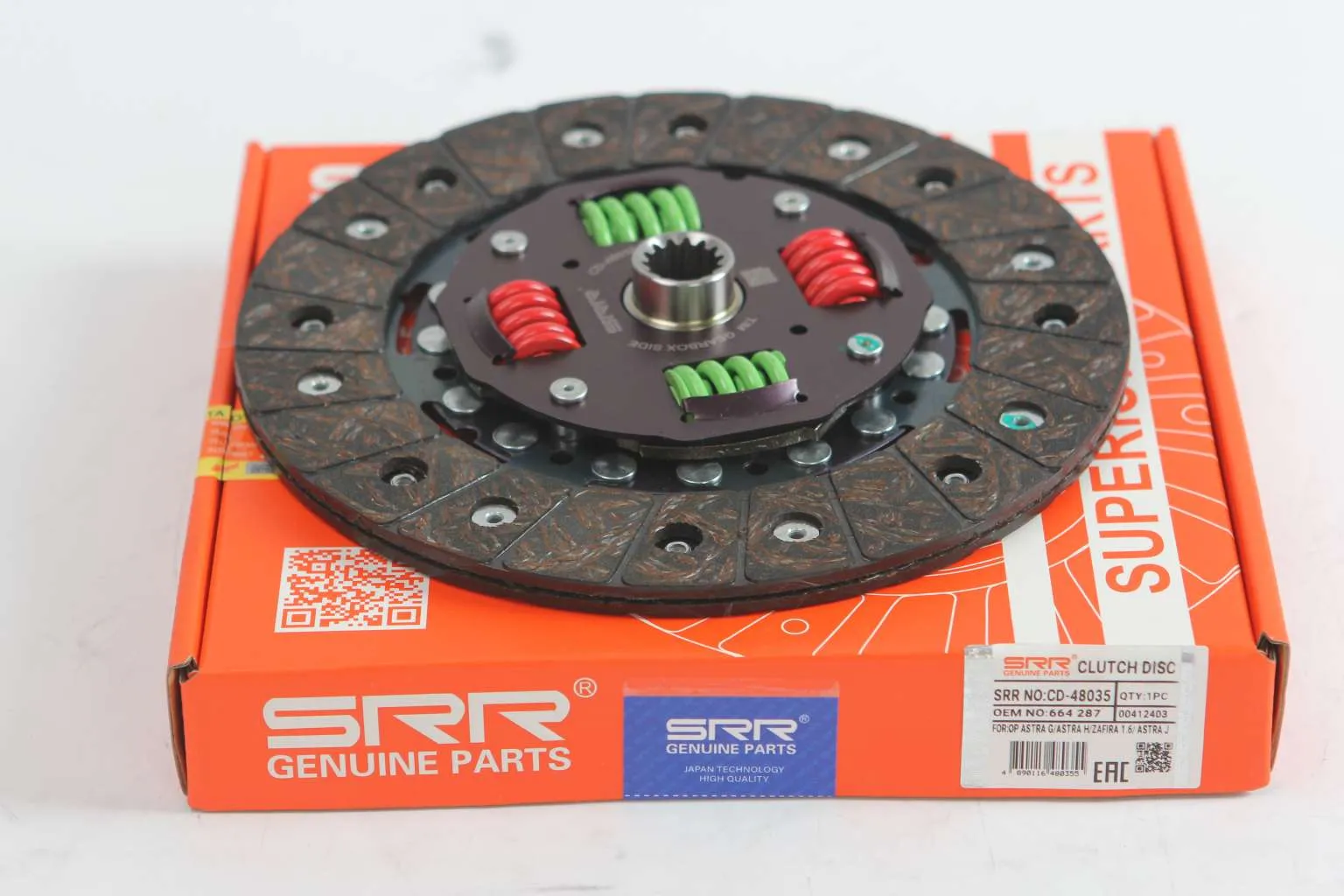
Clutch Disc / Clutch Plate – CD-48035
The clutch is a mechanism that transmits power by axially compressing and releasing two clutch friction plates with flat surfaces. The greater the axial pressure of its two clutch plates, the greater the friction generated, and the smoother and more normal the operation of the extruder will be.
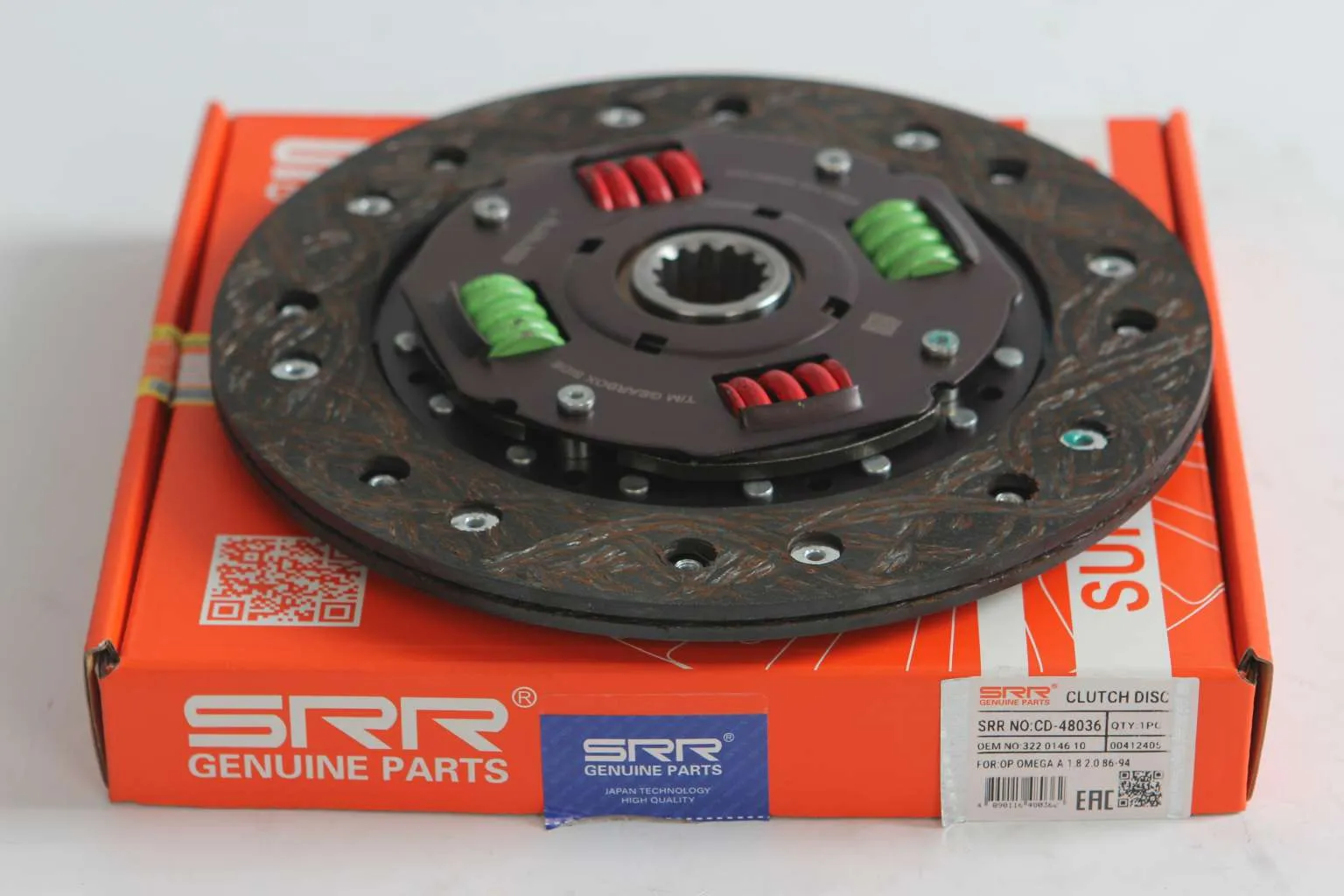
Clutch Disc / Clutch Plate – CD-48036
The clutch is a mechanism that transmits power by axially compressing and releasing two clutch friction plates with flat surfaces. The greater the axial pressure of its two clutch plates, the greater the friction generated, and the smoother and more normal the operation of the extruder will be.
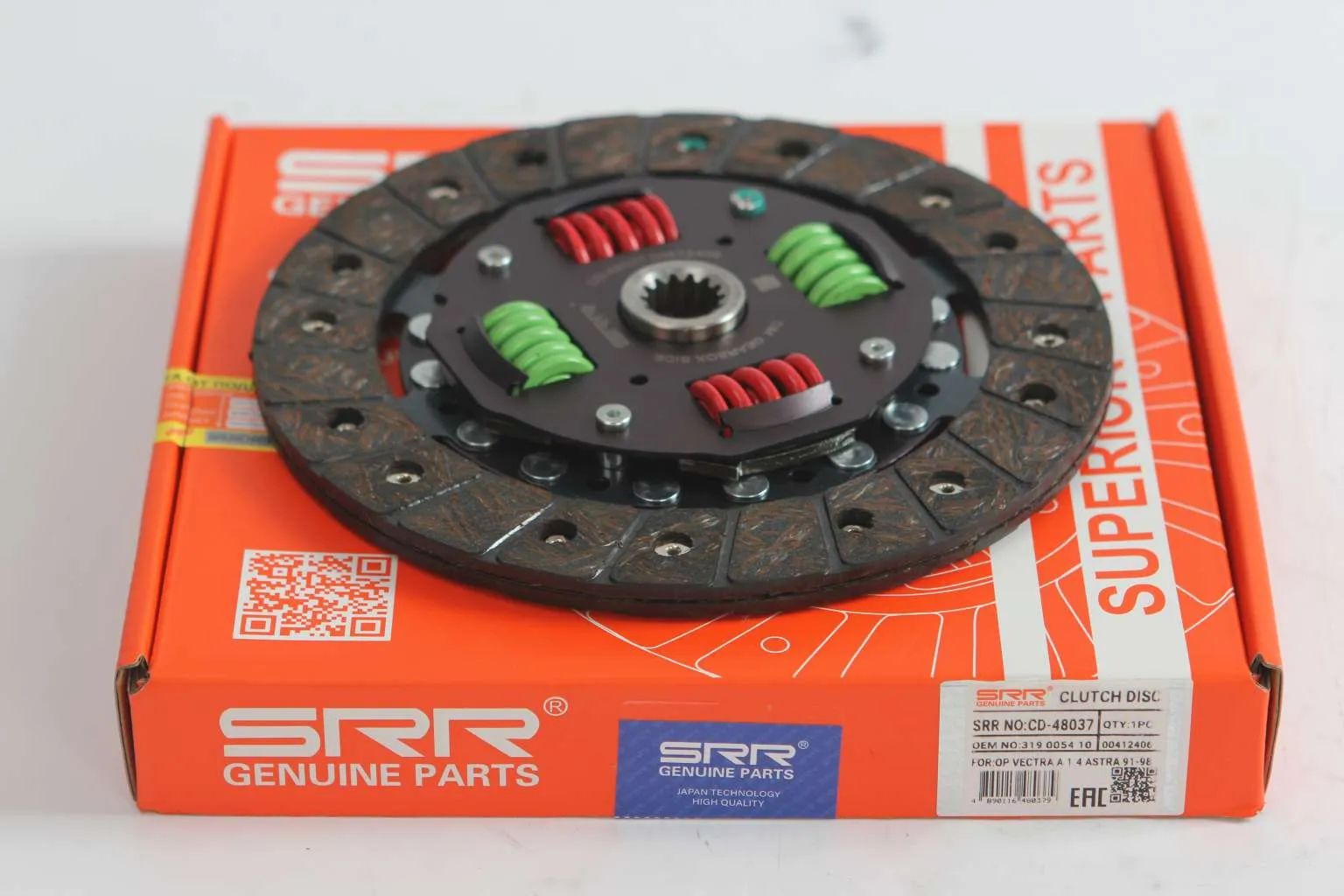
Clutch Disc / Clutch Plate – CD-48037
The clutch is a mechanism that transmits power by axially compressing and releasing two clutch friction plates with flat surfaces. The greater the axial pressure of its two clutch plates, the greater the friction generated, and the smoother and more normal the operation of the extruder will be.
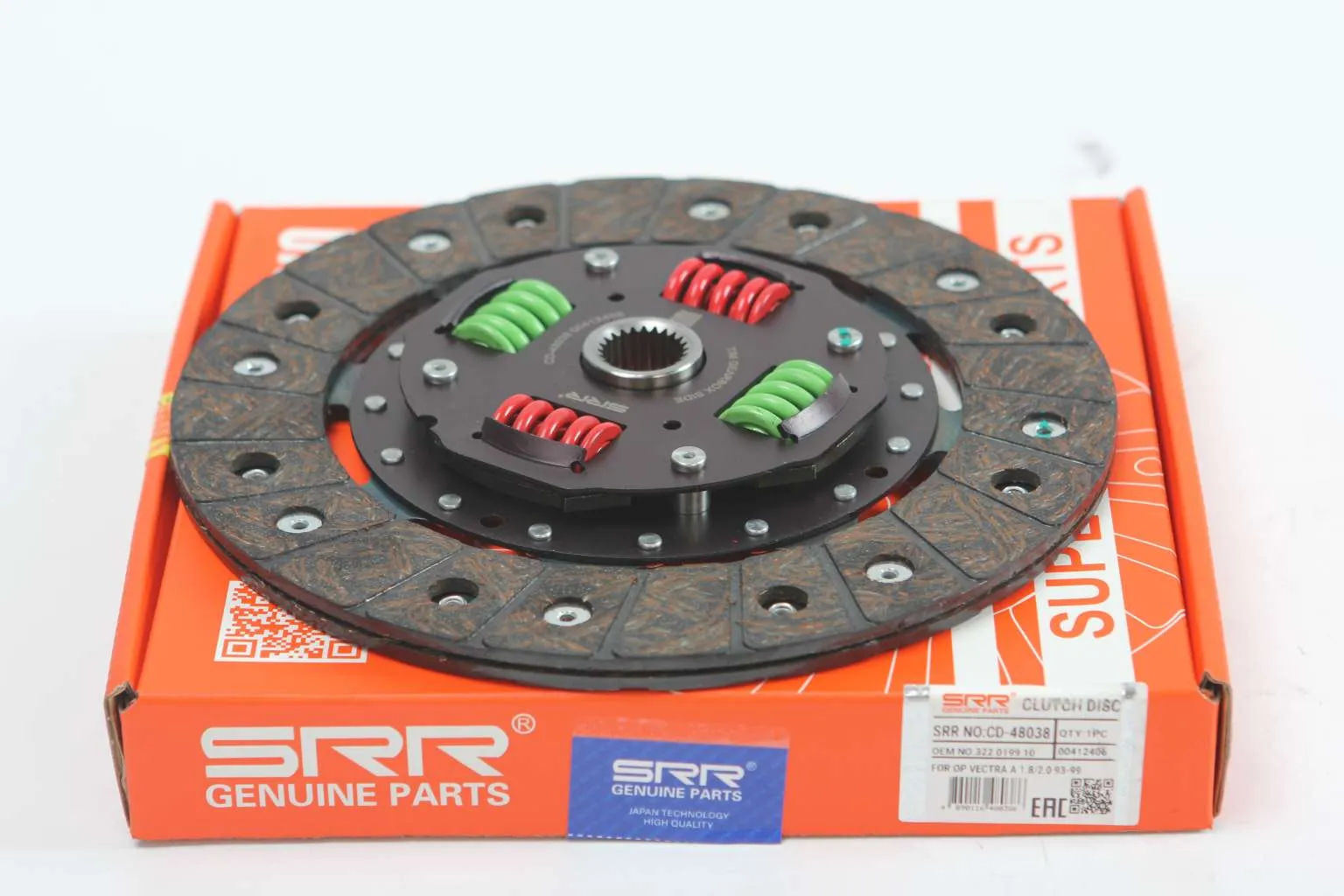
Clutch Disc / Clutch Plate – CD-48038
The clutch is a mechanism that transmits power by axially compressing and releasing two clutch friction plates with flat surfaces. The greater the axial pressure of its two clutch plates, the greater the friction generated, and the smoother and more normal the operation of the extruder will be.
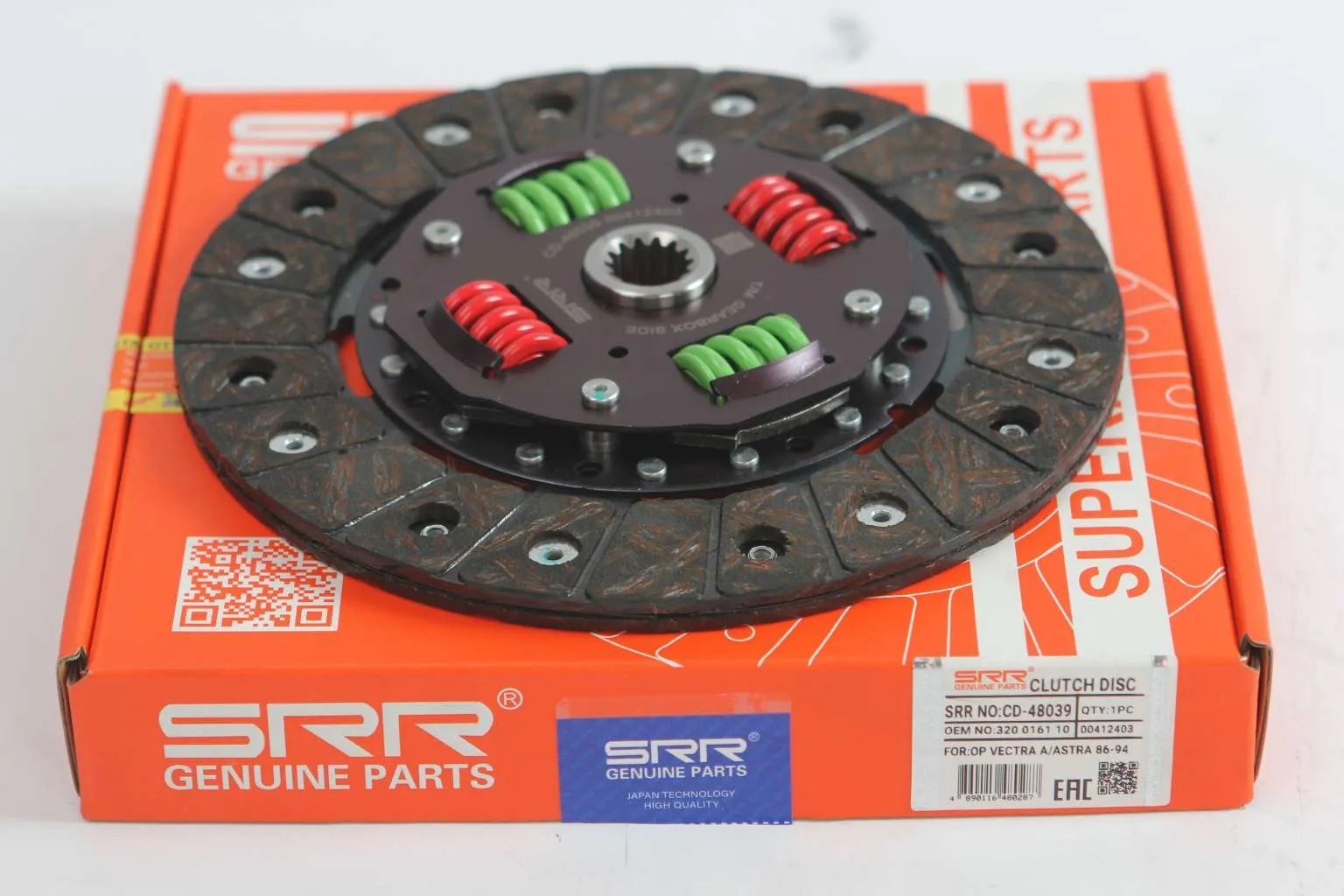
Clutch Disc / Clutch Plate – CD-48039
The clutch is a mechanism that transmits power by axially compressing and releasing two clutch friction plates with flat surfaces. The greater the axial pressure of its two clutch plates, the greater the friction generated, and the smoother and more normal the operation of the extruder will be.
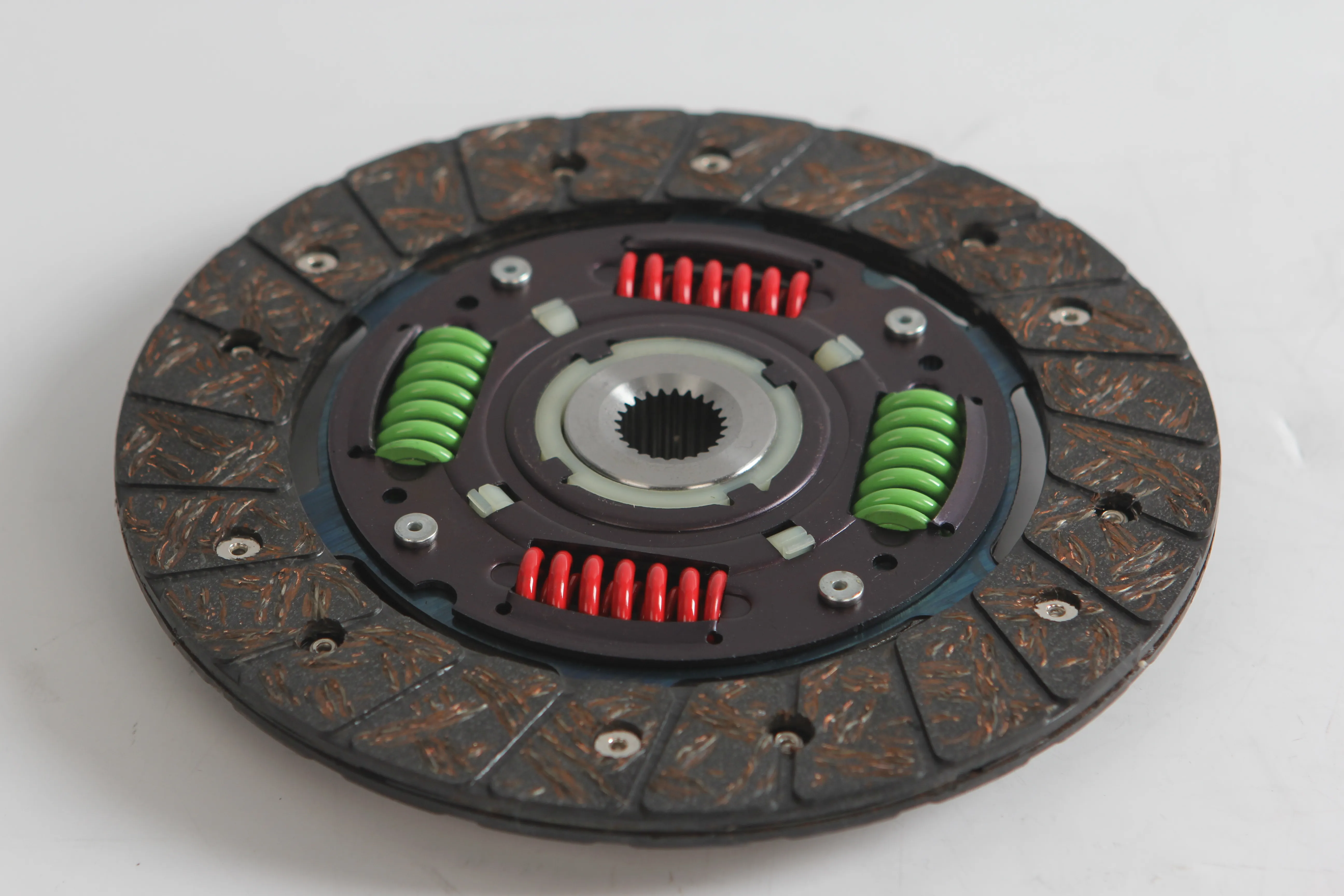
Clutch Disc / Clutch Plate – CD-48040
The clutch is a mechanism that transmits power by axially compressing and releasing two clutch friction plates with flat surfaces. The greater the axial pressure of its two clutch plates, the greater the friction generated, and the smoother and more normal the operation of the extruder will be.
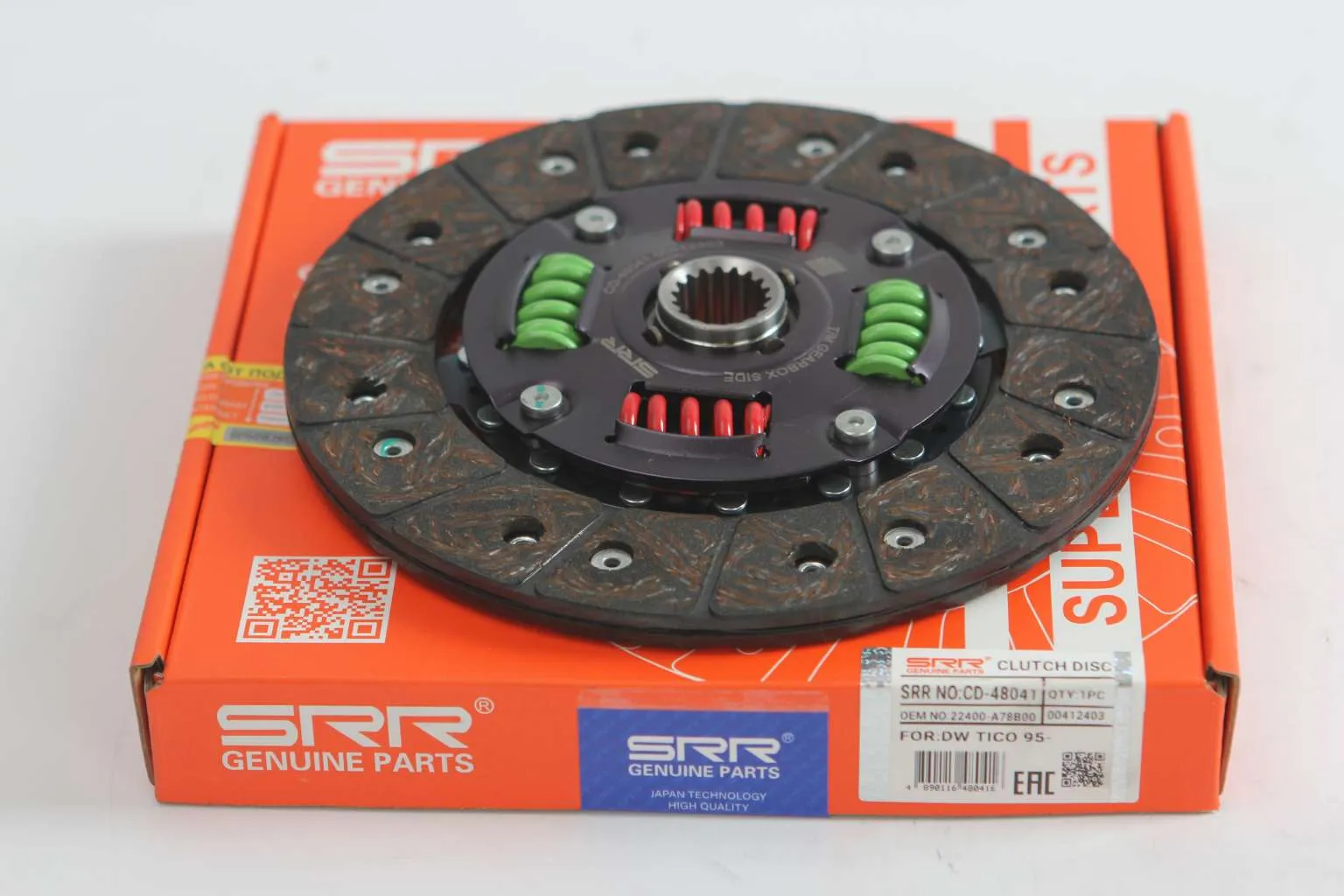
Clutch Disc / Clutch Plate – CD-48041
The clutch is a mechanism that transmits power by axially compressing and releasing two clutch friction plates with flat surfaces. The greater the axial pressure of its two clutch plates, the greater the friction generated, and the smoother and more normal the operation of the extruder will be.
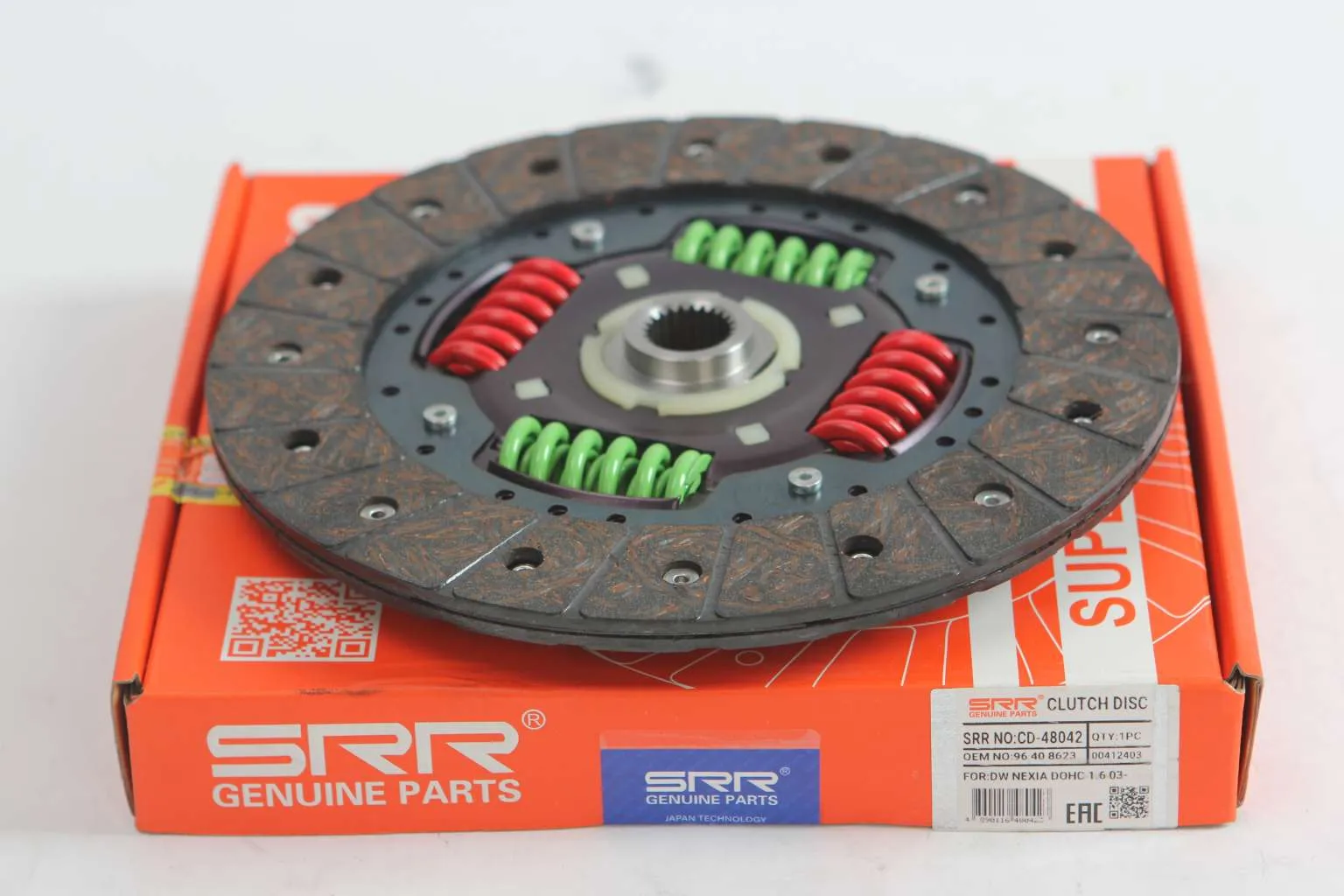
Clutch Disc / Clutch Plate – CD-48042
The clutch is a mechanism that transmits power by axially compressing and releasing two clutch friction plates with flat surfaces. The greater the axial pressure of its two clutch plates, the greater the friction generated, and the smoother and more normal the operation of the extruder will be.
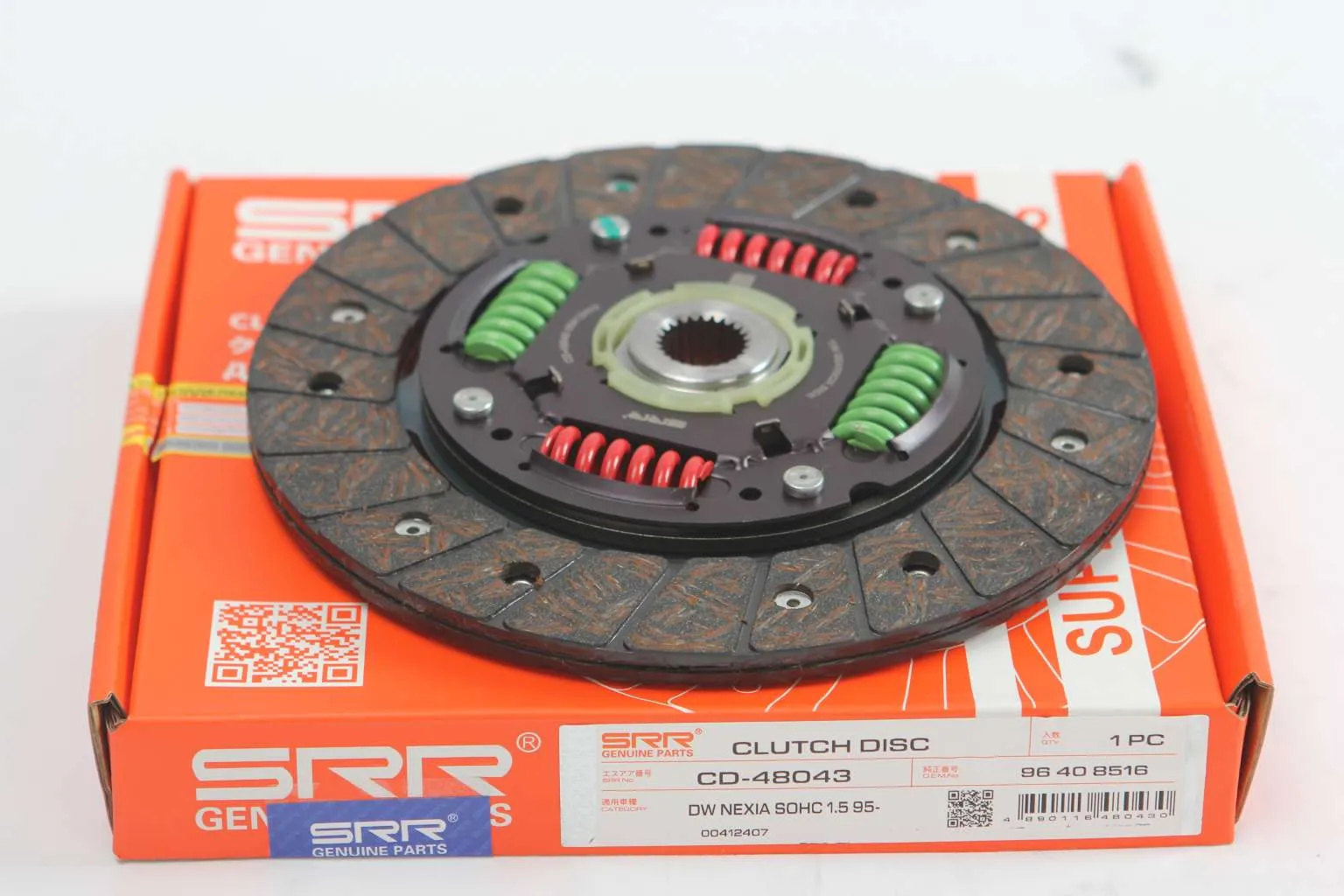
Clutch Disc / Clutch Plate – CD-48043
The clutch is a mechanism that transmits power by axially compressing and releasing two clutch friction plates with flat surfaces. The greater the axial pressure of its two clutch plates, the greater the friction generated, and the smoother and more normal the operation of the extruder will be.
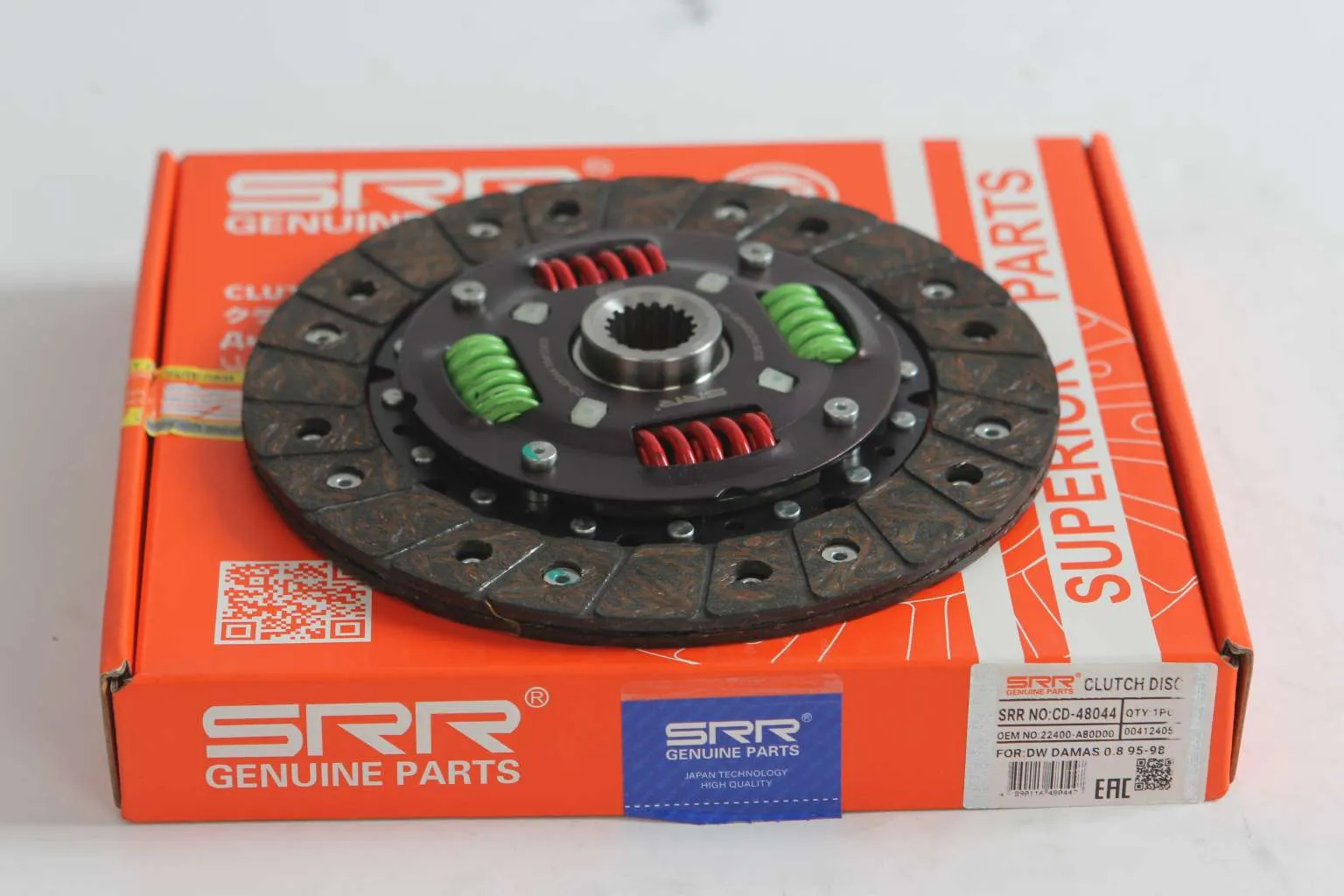
Clutch Disc / Clutch Plate – CD-48044
The clutch is a mechanism that transmits power by axially compressing and releasing two clutch friction plates with flat surfaces. The greater the axial pressure of its two clutch plates, the greater the friction generated, and the smoother and more normal the operation of the extruder will be.
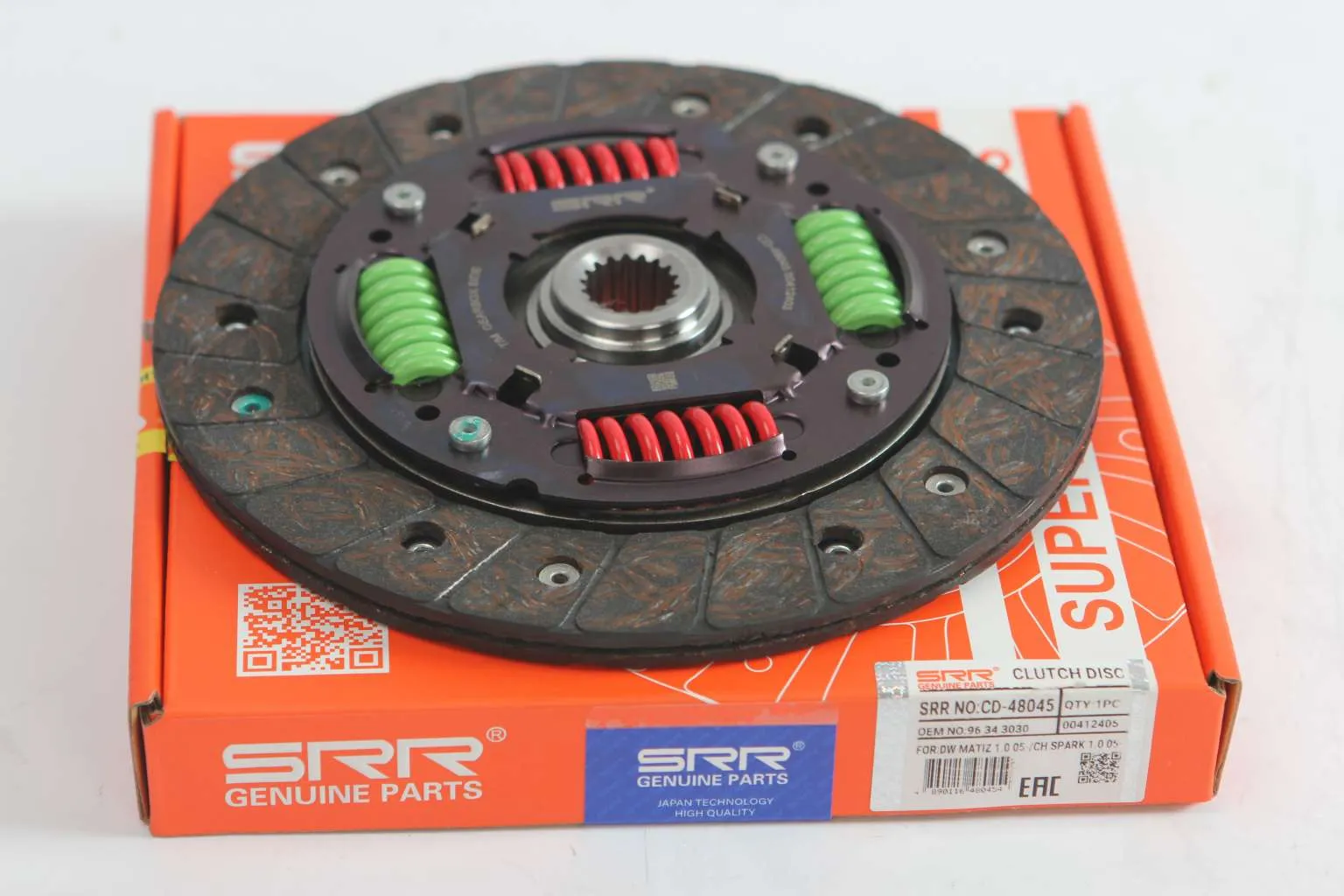
Clutch Disc / Clutch Plate – CD-48045
The clutch is a mechanism that transmits power by axially compressing and releasing two clutch friction plates with flat surfaces. The greater the axial pressure of its two clutch plates, the greater the friction generated, and the smoother and more normal the operation of the extruder will be.
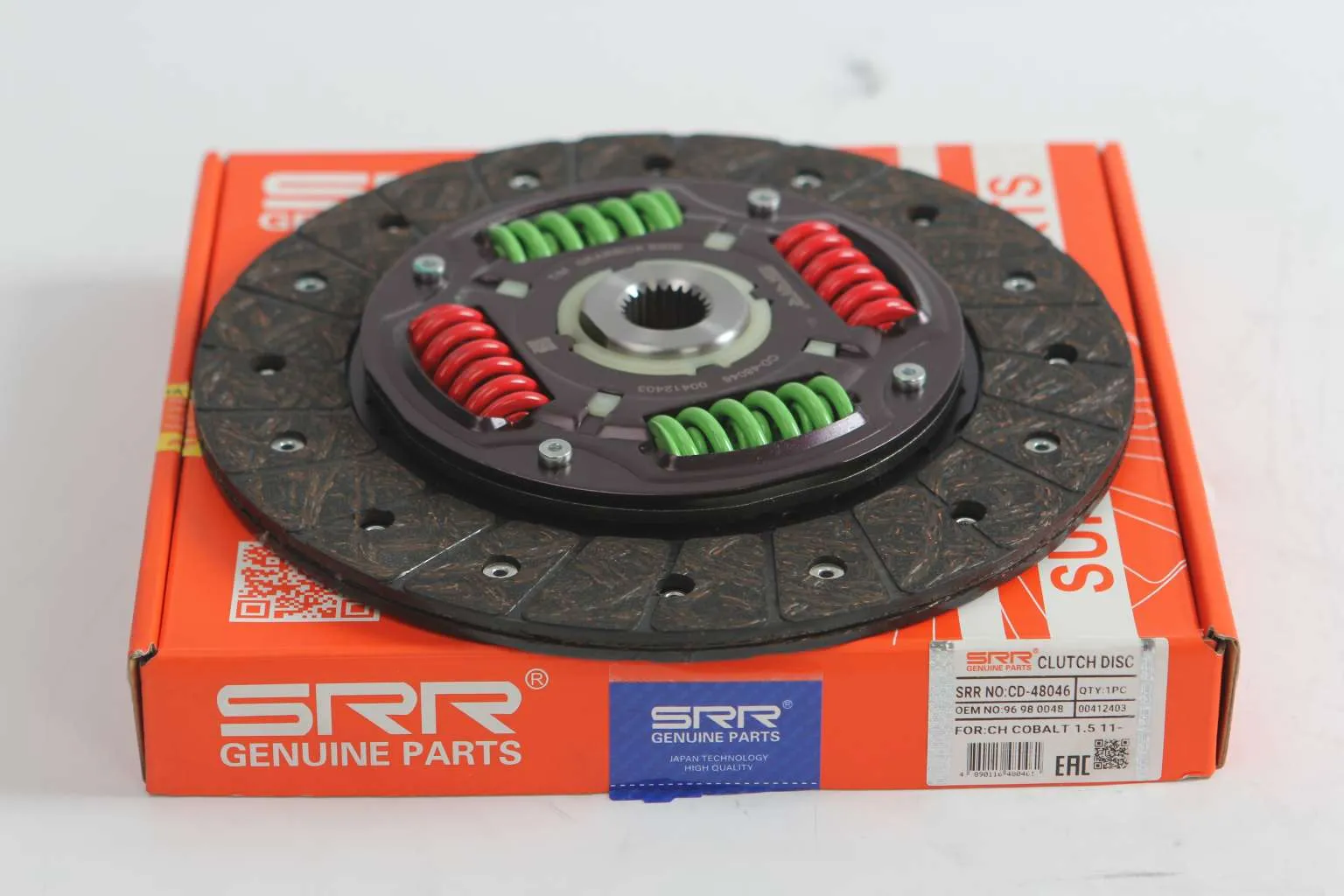
Clutch Disc / Clutch Plate – CD-48046
The clutch is a mechanism that transmits power by axially compressing and releasing two clutch friction plates with flat surfaces. The greater the axial pressure of its two clutch plates, the greater the friction generated, and the smoother and more normal the operation of the extruder will be.

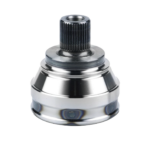
Inner CV Joint – CVJ-18004
Product Name: Ball Cage Constant Velocity Universal Joint
The ball cage constant velocity joint (CV Joint, Constant Velocity Joint) is a key component in the automotive transmission system. It is used to transmit power in front-wheel drive and four-wheel drive vehicles while allowing the wheels to rotate at different angles.
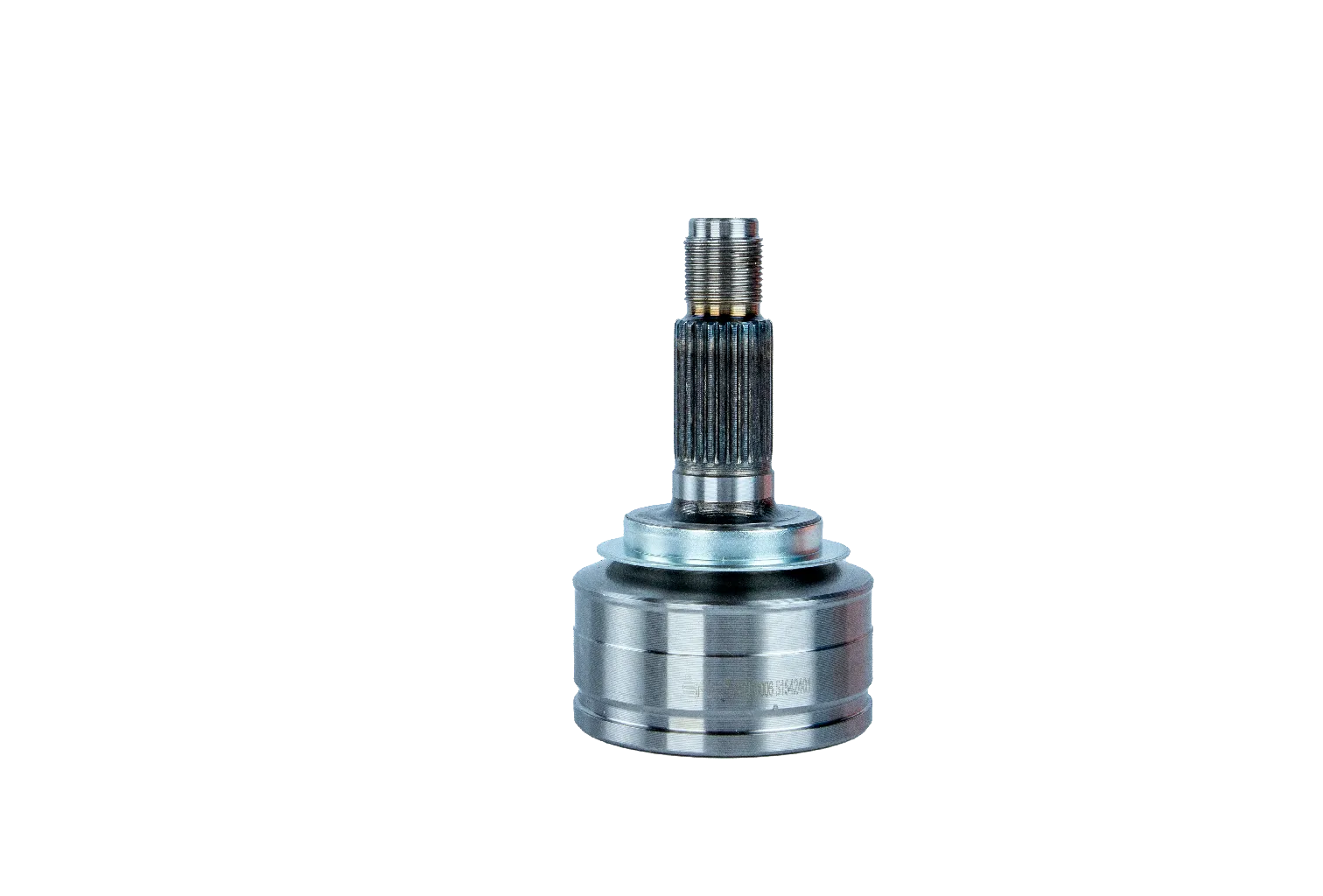
Inner CV Joint – CVJ-18006
Product Name: Ball Cage Constant Velocity Universal Joint
The ball cage constant velocity joint (CV Joint, Constant Velocity Joint) is a key component in the automotive transmission system. It is used to transmit power in front-wheel drive and four-wheel drive vehicles while allowing the wheels to rotate at different angles.
Inner CV Joint – CVJ-18007
Product Name: Ball Cage Constant Velocity Universal Joint
The ball cage constant velocity joint (CV Joint, Constant Velocity Joint) is a key component in the automotive transmission system. It is used to transmit power in front-wheel drive and four-wheel drive vehicles while allowing the wheels to rotate at different angles.
Inner CV Joint – CVJ-18008
Product Name: Ball Cage Constant Velocity Universal Joint
The ball cage constant velocity joint (CV Joint, Constant Velocity Joint) is a key component in the automotive transmission system. It is used to transmit power in front-wheel drive and four-wheel drive vehicles while allowing the wheels to rotate at different angles.
Inner CV Joint – CVJ-18009
Product Name: Ball Cage Constant Velocity Universal Joint
The ball cage constant velocity joint (CV Joint, Constant Velocity Joint) is a key component in the automotive transmission system. It is used to transmit power in front-wheel drive and four-wheel drive vehicles while allowing the wheels to rotate at different angles.
Inner CV Joint – CVJ-18010
Product Name: Ball Cage Constant Velocity Universal Joint
The ball cage constant velocity joint (CV Joint, Constant Velocity Joint) is a key component in the automotive transmission system. It is used to transmit power in front-wheel drive and four-wheel drive vehicles while allowing the wheels to rotate at different angles.
Inner CV Joint – CVJ-18016
Product Name: Ball Cage Constant Velocity Universal Joint
The ball cage constant velocity joint (CV Joint, Constant Velocity Joint) is a key component in the automotive transmission system. It is used to transmit power in front-wheel drive and four-wheel drive vehicles while allowing the wheels to rotate at different angles.
Inner CV Joint – CVJ-18017
Product Name: Ball Cage Constant Velocity Universal Joint
The ball cage constant velocity joint (CV Joint, Constant Velocity Joint) is a key component in the automotive transmission system. It is used to transmit power in front-wheel drive and four-wheel drive vehicles while allowing the wheels to rotate at different angles.
Inner CV Joint – CVJ-18018
Product Name: Ball Cage Constant Velocity Universal Joint
The ball cage constant velocity joint (CV Joint, Constant Velocity Joint) is a key component in the automotive transmission system. It is used to transmit power in front-wheel drive and four-wheel drive vehicles while allowing the wheels to rotate at different angles.
Inner CV Joint – CVJ-18019
Product Name: Ball Cage Constant Velocity Universal Joint
The ball cage constant velocity joint (CV Joint, Constant Velocity Joint) is a key component in the automotive transmission system. It is used to transmit power in front-wheel drive and four-wheel drive vehicles while allowing the wheels to rotate at different angles.